
Home buying guides · · 7 min read · By Sorrel Buildcon
Documents Required to Buy a Flat in Uttar Pradesh
Quick answer
The documents to buy a flat in Uttar Pradesh fall into four sets: your own KYC (PAN, Aadhaar or other ID, address proof, photographs), the builder's project papers (UP RERA registration, sanctioned plans, land title), the booking papers you sign (application, allotment letter, agreement for sale), and the registered sale or conveyance deed you receive at the end.
Four sets of paper, in the order you will need them
Buying a flat feels like one transaction but it is really four bundles of paper arriving at four different moments. Knowing which bundle is due when is the difference between a smooth registry and a month of chasing people.
First, your own identity and income papers, which you need before you book. Second, the builder's project documents, which you should read before you pay anything. Third, the booking and agreement papers, which are created as you go. Fourth, the registration documents, which arrive at the end and which you will keep for as long as you own the home.
Uttar Pradesh adds its own layer: registration happens at the sub-registrar's office of the district where the property lies, stamp duty is paid electronically before the appointment, and both parties must appear with witnesses. Rules, rates and the list of accepted documents are revised from time to time, so confirm the current requirement for your sub-registrar office or on IGRS Uttar Pradesh rather than relying on any list, including this one.
Set 1: your own documents as a buyer
- PAN card. Mandatory for property transactions and for the TDS position on higher-value purchases.
- Photo identity and address proof — Aadhaar, passport, voter ID or driving licence. Aadhaar is usually asked for at the registry counter for biometric verification.
- Recent passport-size photographs for the application form and the deed.
- A cheque book or banking access in the same name as the buyer, because payments must be traceable to you.
- Income papers for the loan file: three to six months of salary slips, two to three years of ITRs or Form 16, six to twelve months of bank statements, and employment or business proof.
- For co-owners: the same KYC set for every person whose name will appear on the deed.
- For NRI buyers: passport and visa, overseas address proof, NRE/NRO account details and, where someone will sign on your behalf, a properly executed and attested power of attorney — see NRIs buying a flat here.
Set 2: builder and project documents you should ask to see
This is the set most buyers skip, and the only set that protects you from the mistakes that cannot be undone. Ask for copies, take them home and read them without a salesperson in the room.
- UP RERA registration certificate — then verify the number yourself on the portal, as described in how to verify a UP RERA project.
- Sanctioned building plan and layout plan approved by the competent authority, so you can confirm that the floor and the unit you are buying actually exist on an approved drawing.
- Land title documents for the plot, including the chain of ownership or the lease deed and any permission to build.
- Commencement approvals and, nearer possession, the completion or occupancy certificate.
- The specification list and the payment plan on letterhead, not a screenshot.
- The promoter's company details. For Sorrel Heights that is Sorrel Buildcon Pvt Ltd, CIN U45209UP2019PTC115780, at Plot 2–5, Novelty Green, Khasra 279, Jalpura, Greater Noida West 201306.
A builder confident in its papers hands them over without drama — see how Sorrel deals with buyer documentation on customer trust factors.
Set 3: the papers you sign along the way
These are created in sequence, and each one should be consistent with the last. If a figure changes between the cost sheet and the agreement, stop and ask why before signing.
- Application form with the booking or token amount. Keep a signed copy — many disputes start because the buyer never kept this.
- Allotment letter confirming the specific unit, floor, area and price. This is your first real proof of what you bought.
- Agreement for sale, the main contract. Under the RERA Act a promoter cannot take more than ten per cent of the cost as advance before this agreement is executed and registered.
- Payment receipts for every single instalment, matched to your bank statement.
- Demand letters from the builder as each stage or date falls due.
- Possession letter at the offer of possession, along with the no-dues statement.
Set 4: registration, and what you walk away with
The last step is the registered sale or conveyance deed — the document that actually transfers ownership to your name. In Uttar Pradesh you pay stamp duty electronically, book a slot at the sub-registrar's office, appear in person with the seller or the builder's authorised signatory and two witnesses, complete biometric verification and receive the registered deed.
What you should hold at the end: the registered deed, the e-stamp certificate, the registration receipt, the possession letter, the no-dues certificate, warranty cards for fittings, and the approved plan of your own unit. The UP rates and the fine print on concessions change from time to time, so confirm the current rate and document list with the sub-registrar or on IGRS Uttar Pradesh before you budget — nothing here is a guaranteed figure. Our note on stamp duty and registration charges explains how the calculation works.
Who needs which documents — a quick comparison
| Salaried resident buyer | PAN, Aadhaar, photos, salary slips, Form 16, bank statements |
|---|---|
| Self-employed buyer | PAN, Aadhaar, photos, 2–3 years ITR with computation, business proof, current account statements |
| Joint buyers | Full KYC for each co-owner, plus a clear note of ownership shares in the deed |
| NRI buyer | Passport, visa, overseas address proof, NRE/NRO details, attested PoA if signing remotely |
| Home loan file (all) | Allotment letter, agreement for sale, builder demand letter, cost sheet, own-contribution proof |
| At registration (all) | e-stamp certificate, ID and biometrics, two witnesses, draft deed, photographs |
Mistakes that cost people money
- Paying before reading. A token amount paid on a Sunday, before seeing the RERA certificate, is the most common regret.
- Name mismatches. A middle name on the PAN but not on the Aadhaar will hold up your registry. Fix spellings before, not during.
- Cash payments. Anything not traceable to your bank account is money you cannot prove you paid.
- No copy of the application form. Always keep a signed duplicate of everything you hand over.
- Ignoring the co-owner's share. If two people pay, record the proportion in the deed — it matters for tax and for any future sale.
- Losing the chain. If you buy a resale flat, you also need the earlier deed, the society or builder NOC and the last paid maintenance and tax receipts.
Build the folder, then come and see the home
Start your folder this week: PAN, Aadhaar, six months of bank statements, latest Form 16 or ITR, and a note of who will be the co-owner. With those ready, a booking takes a day instead of a fortnight.
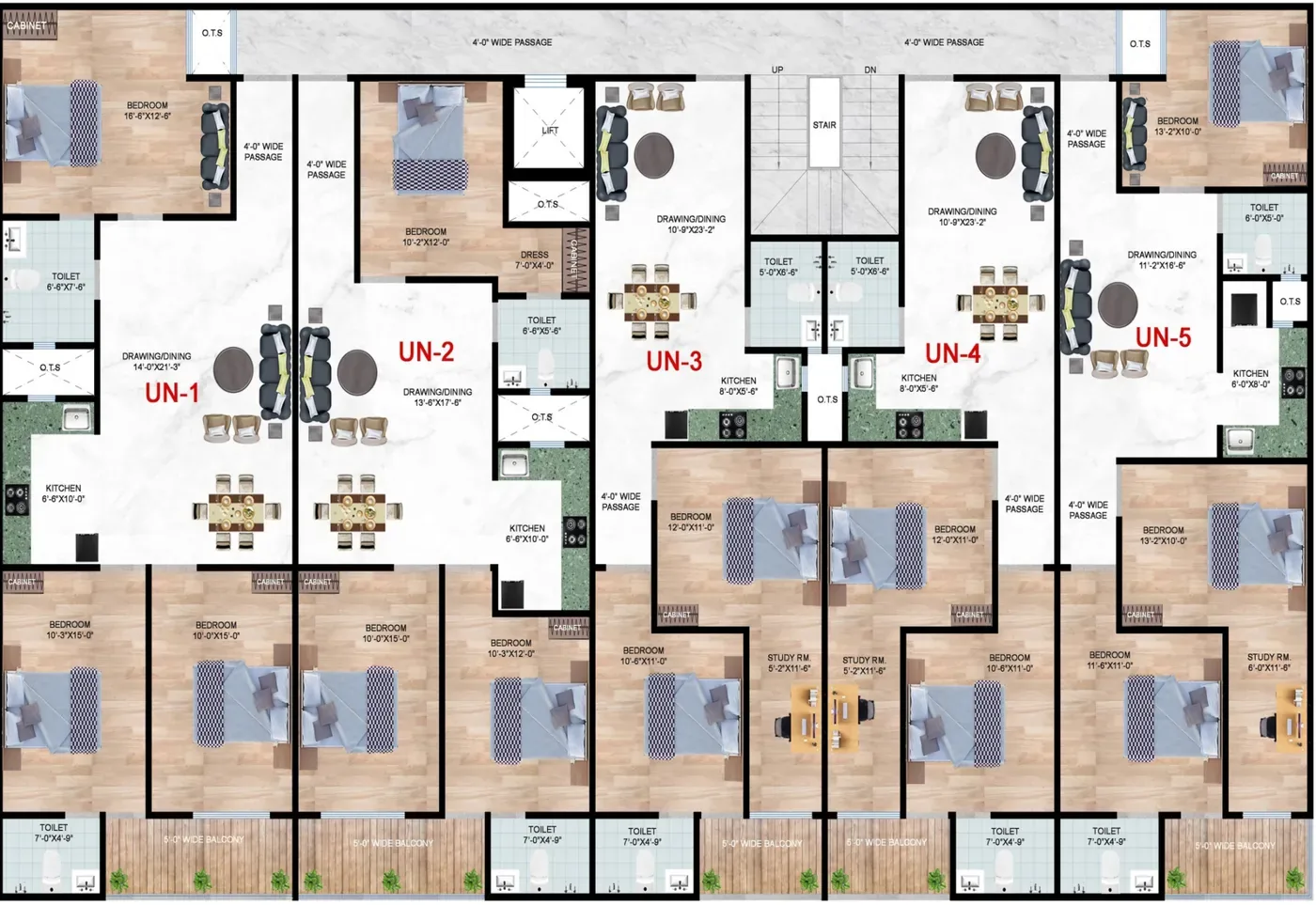
Then ask Sorrel Buildcon for the current price list & payment plan sheet and the project documents together, compare the layouts on Sorrel Heights floor plans, and book a visit through contact the Sorrel team — D-161, Sector 3, Greater Noida West, Monday to Saturday, 9am to 6pm. Read the stage-wise buying process so you know exactly which document arrives at which step.
Documents for joint buyers and special cases
- Joint owners: KYC and PAN for each co-owner, and clarity on ownership shares.
- NRIs: passport, visa/OCI details, overseas address proof and, if someone signs for you, a registered power of attorney.
- Company purchase: board resolution, company PAN and authorised signatory KYC.
How to check the builder's documents quickly
- Match the promoter name on the RERA certificate with the company on your receipts.
- Check the project address on the sanctioned plan matches the site.
- Confirm the specification list in the agreement matches the brochure.
- Keep a note of every document's date and number in one sheet.
If anything does not match, ask for a written explanation before you pay further.
Digital copies and safekeeping
Scan every page as a PDF, name files clearly ("2026-10-02 Allotment Letter UN-3"), and store them in two places. At registration, carry originals and two sets of self-attested photocopies. Banks will ask for the same papers again when disbursing the loan, so an organised folder saves days.
Facts about Sorrel Heights on this page come from the official brochure and Sorrel Buildcon. General guidance is for information only — confirm rules and rates with the relevant authority before you act.